Yellow or lazy flames, burners that will not turn off and knobs that spin without engaging are all worth a professional look. Do not adjust gas parts yourself. Call the number on this page to be connected with a local appliance repair company in Conifer.
Flames that look wrong
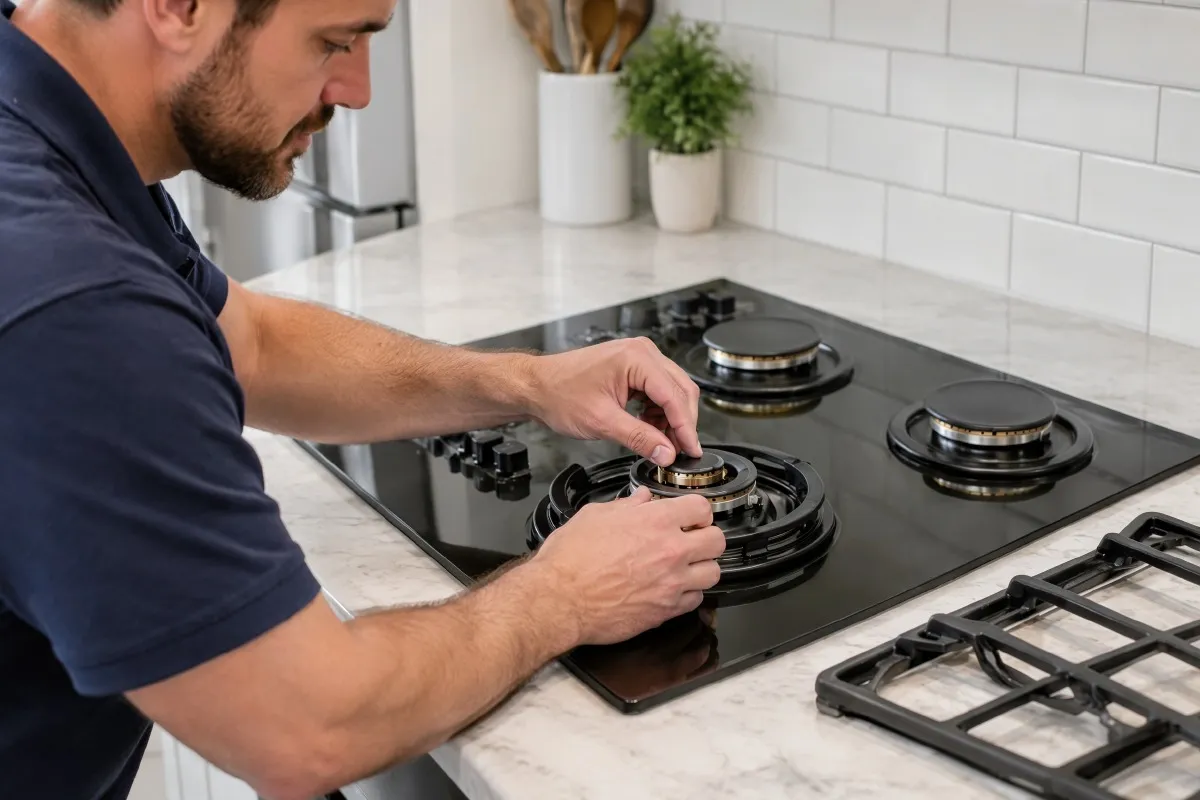
A healthy gas flame is mostly blue and steady. Yellow tips, lazy orange flames, flames that lift off the burner or a loud roar are all worth reporting. Spills and misaligned caps cause some, while fuel type or a wrong orifice cause others. Do not adjust gas parts yourself; describe what you see.
Electric stove wear points
- Coil elements that blister or burn through
- Receptacles that arc and corrode
- Infinite switches behind the knobs
- Radiant elements under glass-top surfaces
- High-limit thermostats that cut the heat early
Heavy use wears these from the inside. Knowing which of these applies to your stove lets the technician arrive with the right part.
Mountain kitchens often run on propane tanks, and winter access can be limited. Mention the fuel and the road conditions when you call so the right parts arrive.
Useful local facts for Conifer
Elevation matters here: Conifer is above 7,500 feet, where water boils at a lower temperature and gas appliances are rated for less input than at sea level.
If your dishwasher or ice maker scales up quickly, your water provider's quality report or a simple test strip will tell you how hard the water is.
If you ever smell gas near a range, oven or dryer, leave the house, call 911 from outside, then call your gas utility using the emergency number on your bill.
A photo of the rating plate (model and serial number) saves time on the phone and on the first visit.
Nearby, the same kind of help is available in Ken Caryl, Evergreen and Pine.
What to ask the company
- Is the diagnostic charge part of the repair total?
- Are the parts new or refurbished?
- How long does the repair carry a warranty?
- Is a second visit likely for parts?
Written answers make later comparisons and warranty claims much easier.
Getting these answers before work begins keeps the total predictable and the paperwork clear.
Testing the repair
Before the technician leaves, light each repaired burner, or turn the element to high and watch it come up. Check the low setting for simmer. A pot of water on the surface is even better. Testing with the technician still there confirms the fix and leaves room for questions.
If a carbon monoxide alarm sounds
Move everyone outdoors into fresh air and call 911. Do not reenter until emergency responders say it is safe. A gas burner with persistent yellow or sooty flames should be inspected before it is used again, since poor combustion is the usual setup for a problem.
Stove Repair questions in Conifer
Why does my gas burner click but not light?
Why is only one zone on my glass-top stove dead?
Can I replace a stove burner element myself?
What should I have ready when I call?
More appliance repair services in Conifer
Stove Repair nearby
Helpful guides
Sources
Last updated: